
Cellulitis
What is Cellulitis ?
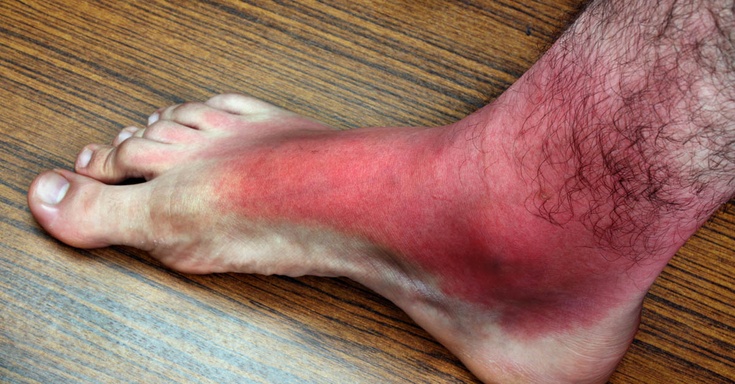
Cellulitis (sel-u-LIE-tis) is a common, potentially serious bacterial skin infection. The affected skin is swollen and inflamed and is typically painful and warm to the touch.
Cellulitis usually affects the lower legs, but it can occur on the face, arms and other areas. The infection happens when a break in the skin allows bacteria to enter. Left untreated, the infection can spread to the lymph nodes and bloodstream and rapidly become life-threatening. It isn’t usually spread from person to person.
Symptoms
- An irritated area of skin that tends to expand
- Swelling
- Tenderness
- Pain
- Warmth
- Fever
- Chills
- Spots
- Blisters
- Skin dimpling
Cause
Cellulitis is caused when bacteria, most commonly Streptococcus and Staphylococcus, enter through a crack or break in the skin. The incidence of a more serious staphylococcus infection called methicillin-resistant Staphylococcus aureus (MRSA) is increasing. Cellulitis can occur anywhere on the body, but the most common location is the lower leg. Bacteria are most likely to enter broken, dry, flaky, or swollen skin, such as through a recent surgical site, cuts, puncture wounds, ulcers, athlete’s foot, or dermatitis.
Risk Factors
Several factors increase the risk of cellulitis. Injury. Any cut, fracture, burn, or scrape gives bacteria an entry point. Weakened immune system. Conditions that weaken the immune system — such as diabetes, leukemia, and HIV/AIDS — increase the risk of infection. Certain medications can also weaken the immune system. Skin conditions. Conditions such as atopic dermatitis (eczema), athlete’s foot, and shingles can cause breaks in the skin, which give bacteria an entry point. Long-term (chronic) swelling of the arms or legs (lymphedema). This condition sometimes happens after surgery. History of cellulitis. Having had cellulitis before increases the risk of getting it again. Being overweight. Excess weight increases the risk of developing cellulitis.
When to see a Doctor
It’s important to identify and treat cellulitis early because the condition can spread rapidly throughout your body. Seek emergency care if you have a swollen, tender rash or a rash that’s changing rapidly. You have a fever. See your health care provider, preferably within the same day, if you have a rash that’s swollen, tender and warm — and it’s expanding — but you don’t have a fever.