
Liver Disease
What is Liver Disease ?
The liver is an organ that sits just under the rib cage on the right side of the abdomen. It can weigh up to 4 pounds (1.8 kilograms). The liver is needed to help digest food, rid the body of waste products and make substances, called clotting factors, that keep the blood flowing well, among other tasks.
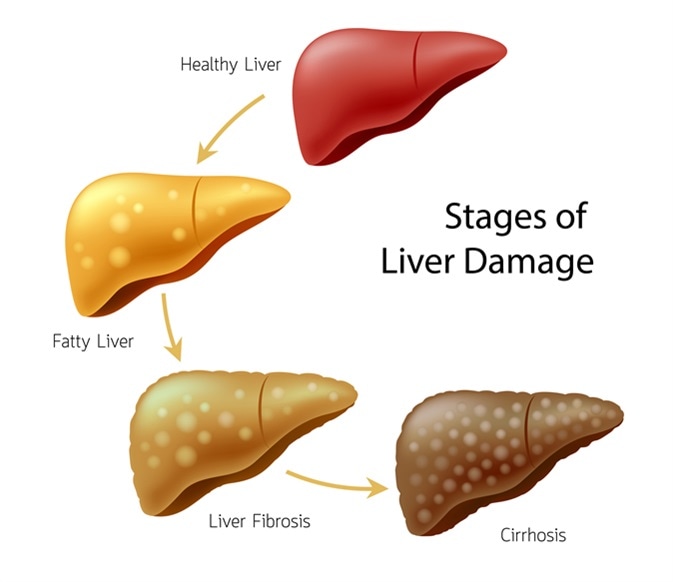
Liver disease can be passed through families, called inherited. Anything that damages the liver also can cause liver problems, including viruses, alcohol use and obesity. Over time, conditions that damage the liver can lead to scarring, called cirrhosis. Cirrhosis can lead to liver failure, a life-threatening condition. But early treatment may give the liver time to heal.
Symptoms
- Jaundice
- Belly pain and swelling
- Swelling in the legs and ankles
- Itchy skin
- Dark urine
- Pale stool
- Constant tiredness
- Nausea or vomiting
- Loss of appetite
- Bruising easily
Cause
There are over 100 types of liver disease, but they fall into a handful of subtypes. Causes include Viral infections. Viral hepatitis infections that become chronic can cause chronic hepatitis, including hepatitis B and hepatitis C. Alcohol-induced hepatitis. Heavy alcohol use can cause acute or chronic hepatitis. If it goes on long enough, it can cause cirrhosis and liver failure. Toxic hepatitis. Chronic overexposure to toxins, such as industrial chemicals or drugs, can cause acute or chronic hepatitis. Non-alcohol related fatty liver disease. Metabolic conditions associated with obesity, high blood sugar and high blood lipids can cause excess fat storage in your liver, which can cause inflammation (non-alcohol related steatohepatitis). Biliary stasis. Congenital (present at birth) conditions that obstruct or stall the flow of bile through your bile ducts can cause bile to build up and injure your liver, including biliary atresia and cystic fibrosis. Non-congenital causes include biliary stricture and gallstones. Autoimmune diseases. Autoimmune conditions can cause chronic inflammation and scarring in your liver or your bile ducts, including autoimmune hepatitis, primary biliary cholangitis and primary sclerosing cholangitis. Inherited metabolic disorders. Disorders that cause toxic products to build up in your blood — such as glycogen storage disease (GSD), Wilson disease, hemochromatosis and Gaucher disease — can cause chronic liver damage. Cardiovascular diseases. Conditions that affect blood flow to and from your liver — including Budd-Chiari syndrome, ischemia, arterial diseases and right-sided heart failure — can cause chronic liver damage.
Risk Factors
Factors that can increase the risk of liver disease include Ongoing moderate or heavy alcohol use. Obesity. Type 2 diabetes. Tattoos or body piercings. Shared needles to inject drugs. Blood transfusion before 1992. Contact with other people’s blood and body fluids. Sex without protection. Contact with chemicals or toxins. Family history of liver disease.
When to see a Doctor
Make an appointment with your healthcare professional if you have any lasting symptoms that worry you. Seek medical help right away if you have belly pain that is so bad that you can’t stay still.