
Pancreatitis
What is Pancreatitis ?
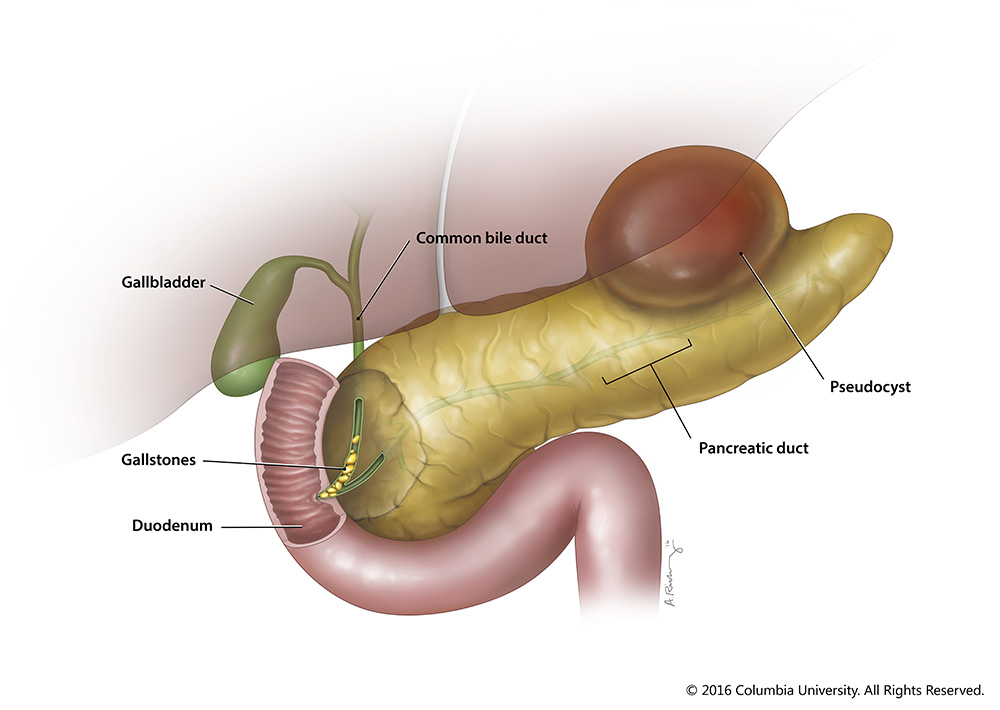
Pancreatitis is inflammation of the pancreas. Inflammation is immune system activity that can cause swelling, pain, and changes in how an organ or tissues work. The pancreas is a long, flat gland that’s tucked behind the stomach. The pancreas helps the body digest food and regulates blood sugars.
Pancreatitis can be an acute condition. This means it appears suddenly and generally lasts a short time. Chronic pancreatitis is a long-term condition. The damage to the pancreas can get worse over time. Acute pancreatitis may improve on its own. More-serious disease requires treatment in a hospital and can cause life-threatening complications.
Symptoms
- Pain in the upper belly
- Pain in the upper belly that radiates to the back
- Tenderness when touching the belly
- Fever
- Rapid pulse
- Upset stomach
- Vomiting
- Pain in the upper belly
- Belly pain that feels worse after eating
- Losing weight without trying
- Oily, smelly stools
- Loss of appetite
Cause
The pancreas has two major roles. It produces insulin, which helps the body manage and use sugars. The pancreas also produces dietary juices, called enzymes, that help with digestion. The pancreas makes and stores “turned off” versions of the enzymes. After the pancreas sends the enzymes into the small intestine, they are “turned on” and break down proteins in the small intestine. If the enzymes are turned on too soon, they can start acting like digestive juices inside the pancreas. The action can irritate, damage, or destroy cells. This problem, in turn, leads to immune system responses that cause swelling and other events that affect how the pancreas works.
Risk Factors
Factors that increase your risk of pancreatitis include Excessive alcohol use. Research shows that having four or five drinks a day increases the risk of pancreatitis. Cigarette smoking. Compared with nonsmokers, smokers are on average three times more likely to develop chronic pancreatitis. Quitting smoking can decrease the risk. Obesity. People with a body mass index of 30 or higher are at increased risk of pancreatitis. Diabetes. Having diabetes increases the risk of pancreatitis. Family history of pancreatitis. A number of genes have been linked to chronic pancreatitis. A family history of the disease is linked to an increased risk, especially when combined with other risk factors.
When to see a Doctor
Make an appointment with your doctor if you have sudden belly pain or belly pain that doesn’t improve. Seek immediate medical help if your pain is so severe that you can’t sit still or find a position that makes you more comfortable.