
Hyperparathyroidism
What is Hyperparathyroidism ?
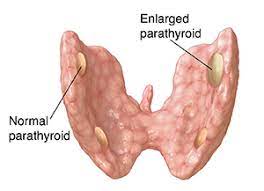
Hyperparathyroidism is when your parathyroid glands create high amounts of parathyroid hormone in the bloodstream. These glands, located behind the thyroid at the bottom of your neck, are about the size of a grain of rice.The parathyroid hormone produced by the thyroid glands helps maintain the right balance of calcium in the bloodstream and in tissues that depend on calcium for proper functioning. This is especially important for nerve and muscle function, as well as bone health.
There are two types of hyperparathyroidism. In primary hyperparathyroidism, an enlargement of one or more of the parathyroid glands causes overproduction of parathyroid hormone. This causes high calcium levels in the blood, which can cause a variety of health problems. Surgery is the most common treatment for primary hyperparathyroidism. Secondary hyperparathyroidism occurs due to another disease that first causes low calcium levels in the body. Over time, increased parathyroid hormone levels occur as the body fights to keep the calcium level up in the standard range. This is common in kidney disease and after certain intestinal surgeries or diseases.
Symptoms
- Weak bones that break easily
- Kidney stones
- Excessive urination
- Stomach pain
- Tiring easily or weakness
- Depression or forgetfulness
- Bone and joint pain
- Frequent complaints of illness with no cause
- Nausea, vomiting or loss of appetite
- Muscle weakness
- Trouble concentrating
- Constipation
Cause
Hyperparathyroidism is caused by factors that increase the production of parathyroid hormone. The parathyroid glands keep proper levels of both calcium and phosphorus in your body by turning the release of parathyroid hormone off or on. This is similar to how a thermostat controls a heating system to maintain a constant air temperature. Vitamin D also is involved in controlling the amount of calcium in your blood.
Risk Factors
You may be at an increased risk of primary hyperparathyroidism if you are a woman who has gone through menopause. Have had prolonged, severe calcium or vitamin D deficiency. Have a rare, inherited disorder, such as multiple endocrine neoplasia, type 1, which usually affects multiple glands. Have had radiation treatment for cancer that has exposed your neck to radiation. Have taken lithium, a drug most often used to treat bipolar disorder.
When to see a Doctor
See your health care provider if you have any signs or symptoms of hyperparathyroidism. These symptoms could be caused by many disorders, including some with serious complications. It’s important to get a prompt, accurate diagnosis and the right treatment.