
Addison's Disease
What is Addison's Disease ?
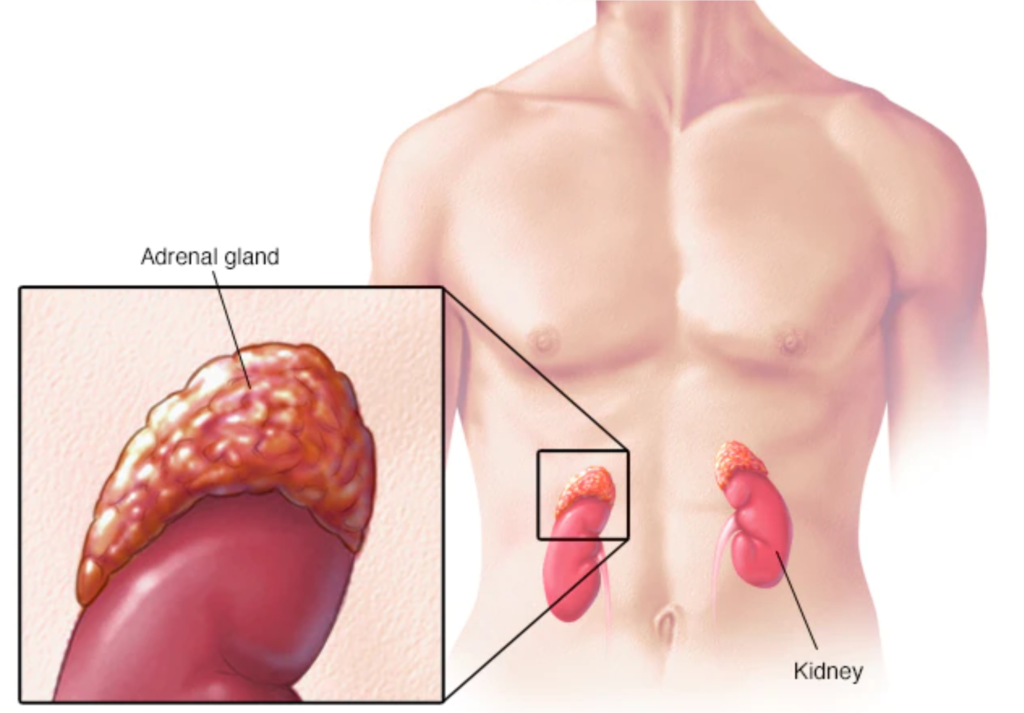
Addison’s disease is a rare condition that happens when the body doesn’t make enough of some hormones. Another name for Addison’s disease is primary adrenal insufficiency. With Addison’s disease, the adrenal glands make too little of the hormone cortisol. Often, they also make too little of another hormone called aldosterone.
Damage to the adrenal glands causes Addison’s disease. Symptoms can start slowly. Early symptoms may include extreme tiredness, salt cravings and weight loss. Addison’s disease can affect anyone. Without treatment, it can be life-threatening. Treatment involves taking lab-made hormones to replace those that are missing.
Symptoms
- Extreme fatigue
- Weight loss and decreased appetite
- Darkening of your skin
- Low blood pressure, even fainting
- Salt craving
- Low blood sugar
- Nausea, diarrhea or vomiting
- Abdominal pain
- Muscle or joint pains
- Irritability
- Depression or other behavioral symptoms
- Body hair loss or sexual dysfunction in women
Cause
The most common cause of Addison’s disease is an autoimmune response, which occurs when your immune system attacks healthy tissues for an unknown reason. With Addison’s disease, your immune system attacks the outer portion of your adrenal glands (the adrenal cortex), where they make cortisol and aldosterone. Symptoms don’t usually develop until 90% of the adrenal cortex has been damaged, which can take several months to years. Approximately 75% of cases of Addison’s disease are due to an autoimmune attack. Autoimmune Addison’s disease may happen by itself or as part of a rare, inherited syndrome, specifically autoimmune polyendocrine syndromes I (APS type-1) and II (Schmidt syndrome).
Risk Factors
Most people who get Addison’s disease don’t have any factors that put them at higher risk of developing the condition. But the following may raise the risk of adrenal insufficiency. A history of having a disease or surgery that affects the pituitary gland or the adrenal glands. Certain genetic changes that affect the pituitary or adrenal glands. These include gene changes that cause the inherited disease congenital adrenal hyperplasia. Other autoimmune endocrine conditions, such as hypothyroidism or type 1 diabetes. Traumatic brain injury.
When to see a Doctor
See a healthcare professional if you have common symptoms of Addison’s disease, such as long-lasting fatigue, muscle weakness, loss of appetite, darkened areas of skin, weight loss that doesn’t happen on purpose, serious upset stomach, vomiting or stomach pain, lightheadedness or fainting with standing, salt cravings. Get emergency care right away if you have any symptoms of an adrenal crisis.