
HPV Infection
What is HPV Infection ?
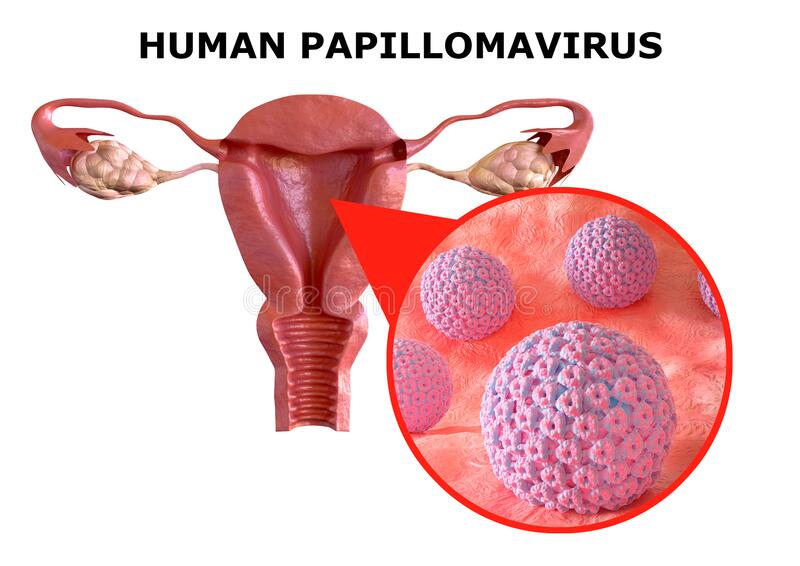
HPV infection is a viral infection that commonly causes skin or mucous membrane growths (warts). There are more than 100 varieties of human papillomavirus (HPV). Some types of human papillomavirus (HPV) infection cause warts, and some can cause different types of cancer.
Most HPV infections don’t lead to cancer. But some types of genital HPV can cause cancer of the lower part of the uterus that connects to the vagina (cervix). Other types of cancers, including cancers of the anus, penis, vagina, vulva and back of the throat (oropharyngeal), have been linked to HPV infection. These infections are often transmitted sexually or through other skin-to-skin contact. Vaccines can help protect against the strains of HPV most likely to cause genital warts or cervical cancer.
Symptoms
Genital warts. These appear as flat lesions, small cauliflower-like bumps or tiny stemlike protrusions. In women, genital warts appear mostly on the vulva but can also occur near the anus, on the cervix or in the vagina. In men, genital warts appear on the penis and scrotum or around the anus. Genital warts rarely cause discomfort or pain, though they may itch or feel tender.
Common warts. Common warts appear as rough, raised bumps and usually occur on the hands and fingers. In most cases, common warts are simply unsightly, but they can also be painful or susceptible to injury or bleeding.
Plantar warts. Plantar warts are hard, grainy growths that usually appear on the heels or balls of your feet. These warts might cause discomfort.
Flat warts. Flat warts are flat-topped, slightly raised lesions. They can appear anywhere, but children usually get them on the face and men tend to get them in the beard area. Women tend to get them on the legs.
Cause
HPV infection occurs when the virus enters your body, usually through a cut, abrasion, or small tear in your skin. The virus is transferred primarily by skin-to-skin contact. Genital HPV infections are contracted through sexual intercourse, anal sex and other skin-to-skin contact in the genital region. Some HPV infections that result in oral or upper respiratory lesions are contracted through oral sex. If you’re pregnant and have an HPV infection with genital warts, your baby may get the infection. Rarely, the infection may cause a noncancerous growth in the baby’s voice box (larynx). Warts are contagious. They can spread through direct contact with a wart. Warts can also spread when someone touches something that has already been touched by a wart.
Risk Factors
HPV infections are common. Risk factors for HPV infection include the number of sexual partners. The more sexual partners you have, the more likely you are to contract a genital HPV infection. Having sex with a partner who has had multiple sex partners also increases your risk. Age, Common warts occur mostly in children. Genital warts occur most often in adolescents and young adults. Weakened immune systems. People who have weakened immune systems are at greater risk of HPV infections. Immune systems can be weakened by HIV/AIDS or by immune system-suppressing drugs used after organ transplants. Damaged skin. Areas of skin that have been punctured or opened are more prone to develop common warts. Personal contact. Touching someone’s warts or not wearing protection before contacting surfaces that have been exposed to HPV — such as public showers or swimming pools — might increase your risk of HPV infection.
When to see a Doctor
If you or your child has warts of any kind that cause embarrassment, discomfort or pain, seek advice from your doctor.