
Anterior Prolapse
What is Anterior Prolapse ?
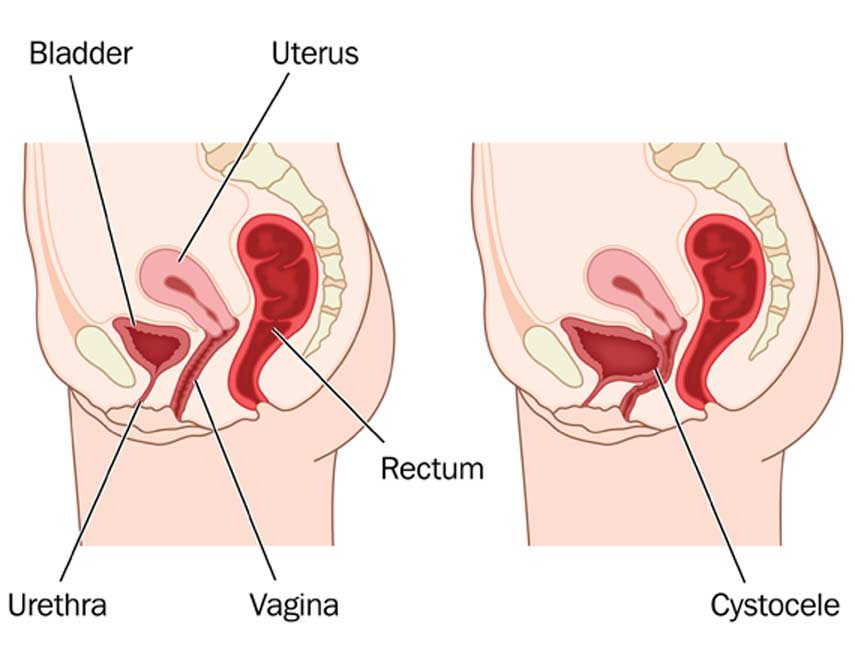
Anterior vaginal prolapse, also known as a cystocele (SIS-toe-seel) or a prolapsed bladder, is when the bladder drops from its usual position in the pelvis and pushes on the wall of the vagina.
The organs of the pelvis — including the bladder, uterus and intestines — are typically held in place by the muscles and connective tissues of the pelvic floor. Anterior prolapse occurs when the pelvic floor becomes weak or if too much pressure is put on the pelvic floor. This can happen over time, during vaginal childbirth or with chronic constipation, violent coughing or heavy lifting. Anterior prolapse is treatable. For a mild or moderate prolapse, nonsurgical treatment is often effective. In more severe cases, surgery may be necessary to keep the vagina and other pelvic organs in their proper positions.
Symptoms
- Fullness or pressure in your vagina
- Fullness, pressure or aching in your pelvis
- Pressure or pain during intercourse (dyspareunia)
- Changes to how you pee or poop
- Urinary Difficulties
- Leaking pee when you cough, laugh or exercise
- A constant urge to pee or feeling like your bladder is full
- Constipation or being unable to control when you poop
- In some cases, a bulge of tissue in your vagina
- Urinary Tract Infections
Cause
Your pelvic floor consists of muscles, ligaments and connective tissues that support your bladder and other pelvic organs. The connections between your pelvic organs and ligaments can weaken over time, or as a result of trauma from childbirth or chronic straining. When this happens, your bladder can slip down lower than usual and bulge into your vagina (anterior prolapse). Causes of stress to the pelvic floor include pregnancy and vaginal childbirth, being overweight or obese, repeated heavy lifting, straining with bowel movements, a chronic cough or bronchitis.
Risk Factors
These factors may increase your risk of anterior prolapse: Pregnancy and childbirth, Women who have had a vaginal or instrument-assisted delivery, multiple pregnancies, or whose infants had a high birth weight have a higher risk of anterior prolapse. Aging, your risk of anterior prolapse increases as you age. This is especially true after menopause, when your body’s production of estrogen — which helps keep the pelvic floor strong — decreases. Hysterectomy, having your uterus removed, may contribute to weakness in your pelvic floor, but this is not always the case. Genetics, some women are born with weaker connective tissues, making them more susceptible to anterior prolapse. Obesity, Women who are overweight or obese are at higher risk of anterior prolapse.
When to see a Doctor
A prolapsed bladder can be uncomfortable, but it is rarely painful. It can make emptying your bladder difficult, which may lead to bladder infections. Make an appointment with your health care provider if you have any signs or symptoms that bother you or impact your daily activities.