
Kidney Stone
What is Kidney Stone ?
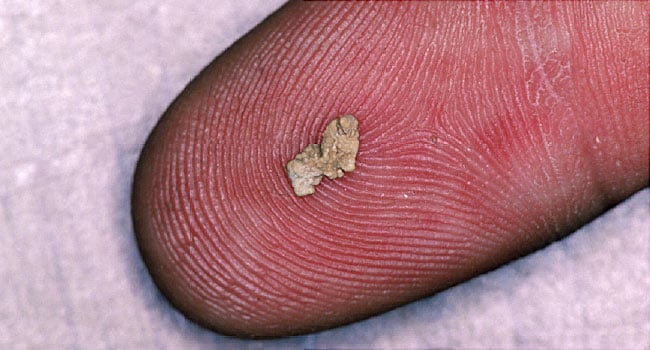
Kidney stones (also called renal calculi, nephrolithiasis or urolithiasis) are hard deposits made of minerals and salts that form inside your kidneys. Diet, excess body weight, some medical conditions, and certain supplements and medications are among the many causes of kidney stones. Kidney stones can affect any part of your urinary tract — from your kidneys to your bladder. Often, stones form when the urine becomes concentrated, allowing minerals to crystallize and stick together.
Passing kidney stones can be quite painful, but the stones usually cause no permanent damage if they’re recognized in a timely fashion. Depending on your situation, you may need nothing more than to take pain medication and drink lots of water to pass a kidney stone. In other instances — for example, if stones become lodged in the urinary tract, are associated with a urinary infection or cause complications — surgery may be needed. Your doctor may recommend preventive treatment to reduce your risk of recurrent kidney stones if you’re at increased risk of developing them again.
Symptoms
- Severe, sharp pain in the side and back, below the ribs
- Pain that radiates to the lower abdomen and groin
- Pain that comes in waves and fluctuates in intensity
- Pain or burning sensation while urinating
- Pink, red or brown urine
- Cloudy or foul-smelling urine
- A persistent need to urinate
- Nausea and vomiting
- Fever and chills if an infection is present
- Inability to pee
Cause
Kidney stones often have no definite, single cause, although several factors may increase your risk. Kidney stones form when your urine contains more crystal-forming substances — such as calcium, oxalate and uric acid — than the fluid in your urine can dilute. At the same time, your urine may lack substances that prevent crystals from sticking together, creating an ideal environment for kidney stones to form.
Risk Factors
You might be at a higher risk of developing kidney stones if you don’t drink enough fluids. Eat meat and other protein-rich foods. Eat foods high in sodium or sugars (sucrose and fructose). Take vitamin C supplements. Have a family history of kidney stones. Have a blockage in your urinary tract. Have had stomach or intestine surgery, including gastric bypass surgery. Take certain medications. This includes some diuretics, calcium-based antacids, some antiseizure medications and certain. Have certain medical conditions.
When to see a Doctor
Make an appointment with your doctor if you have any signs and symptoms that worry you.