
Fatty Liver
What is Fatty Liver ?
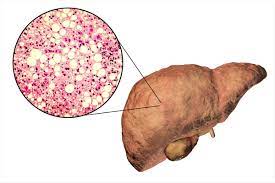
Nonalcoholic fatty liver disease, often called NAFLD, is a liver problem that affects people who drink little to no alcohol. In NAFLD, too much fat builds up in the liver. It is seen most often in people who are overweight or obese.
NAFLD is becoming more common, especially in Middle Eastern and Western nations as the number of people with obesity rises. It is the most common form of liver disease in the world. NAFLD ranges in severity from hepatic steatosis, called fatty liver, to a more severe form of disease called nonalcoholic steatohepatitis (NASH).
NASH causes the liver to swell and become damaged due to the fat deposits in the liver. NASH may get worse and may lead to serious liver scarring, called cirrhosis, and even liver cancer. This damage is like the damage caused by heavy alcohol use.
Symptoms
- Loss of appetite
- Weight loss
- Weakness
- Fatigue
- Nosebleeds
- Itchy skin
- Yellow skin and eyes
- Web-like clusters of blood vessels under your skin
- Abdominal pain & swelling
- Swelling of your legs
- Breast enlargement in men
- Confusion
Cause
Experts don’t know exactly why fat builds up in some livers and not others. They also don’t fully understand why some fatty livers turn into NASH. NAFLD and NASH are both linked to Genetics. Overweight or obesity. Insulin resistance, which happens when your cells don’t take up sugar in response to the hormone insulin. Type 2 diabetes, sometimes called high blood sugar or hyperglycemia. High levels of fats, especially triglycerides, in the blood. These combined health problems may contribute to a fatty liver. However, some people get NAFLD even if they do not have any risk factors.
Risk Factors
Many diseases and health problems can increase your risk of NAFLD, including Family history of fatty liver disease or obesity. Growth hormone deficiency, which means the body doesn’t make enough hormones to grow. High cholesterol. High levels of triglycerides in the blood. Insulin resistance. Metabolic syndrome. Obesity, especially when fat is centered in the waist. Polycystic ovary syndrome. Obstructive sleep apnea. Type 2 diabetes. Underactive thyroid, also called hypothyroidism. Underactive pituitary gland, or hypopituitarism.
When to see a Doctor
Make an appointment with a member of your health care team if you have lasting symptoms that worry you.