
Prostate Cancer
What is Prostate Cancer ?
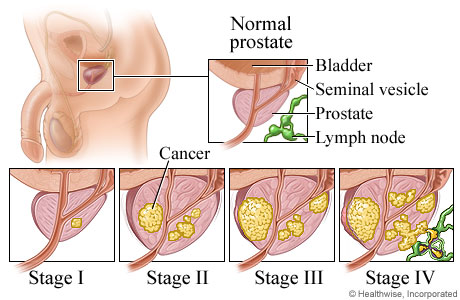
Prostate cancer is a growth of cells that starts in the prostate. The prostate is a small gland that helps make semen. It’s found just below the bladder. The prostate is part of the male reproductive system. Prostate cancer is one of the most common types of cancer. Prostate cancer is usually found early, and it often grows slowly. Most people with prostate cancer are cured.
People diagnosed with early prostate cancer often have many treatment options to consider. It can feel overwhelming to learn about all the options and make a choice. Treatments may include surgery, radiation therapy or carefully watching the prostate cancer to see if it grows. If the cancer grows beyond the prostate or if it spreads, there are still many treatment options. Prostate cancer that spreads can be more difficult to cure. But even when a cure isn’t possible, treatments can slow the growth of the cancer and help you live longer.
Symptoms
- Blood in the urine
- Blood in the semen
- Needing to urinate more often
- Trouble getting started when trying to urinate
- Waking up to urinate more often at night
- Accidental leaking of urine
- Back pain
- Bone pain
- Difficulty getting an erection
- Feeling very tired
- Losing weight without trying
- Weakness in the arms or legs
Cause
It’s often not clear what causes prostate cancer. Healthcare professionals have found some things that raise the risk of this cancer. These include older age, obesity and a family history of prostate cancer. The exact cause of prostate cancer often isn’t known. Prostate cancer starts when cells in the prostate develop changes in their DNA. A cell’s DNA holds the instructions that tell the cell what to do. In healthy cells, the DNA tells the cells to grow and multiply at a set rate. The DNA also tells the cells to die at a set time. In cancer cells, the DNA changes give different instructions. The changes tell the cancer cells to grow and multiply quickly. Cancer cells can keep living when healthy cells would die. This causes too many cells. The cancer cells might form a mass called a tumor. The tumor can grow to invade and destroy healthy body tissue. In time, cancer cells can break away and spread to other parts of the body. When cancer spreads, it’s called metastatic cancer.
Risk Factors
Factors that can increase the risk of prostate cancer include Older age, The risk of prostate cancer goes up with age. It’s most common after age 50. Race and ethnicity, In general, Black people have a greater risk of prostate cancer than do people of other races and ethnicities. Healthcare professionals aren’t exactly sure why. In Black people, prostate cancer also is more likely to grow quickly or be advanced when detected. Family history of prostate cancer, If a blood relative, such as a parent or sibling, has been diagnosed with prostate cancer, your risk may be increased. The risk also may be increased if other close relatives have had prostate cancer. This includes your grandparents and your parents’ siblings. Family history of DNA changes, Some DNA changes that increase the risk of cancer are passed from parents to children. The DNA changes called BRCA1 and BRCA2 can cause a higher risk of prostate cancer. These DNA changes are best known for increasing the risk of breast cancer and ovarian cancer. Obesity, People who have obesity may have a higher risk of prostate cancer compared with people considered to have a healthy weight. Studies of this issue have had mixed results. In people with obesity, prostate cancer is more likely to grow quickly and more likely to come back after treatment. Smoking tobacco, Some research shows a link between smoking and prostate cancer. But not all studies agree. People with prostate cancer who smoke may have a higher risk of the cancer coming back. People who smoke also have a higher risk of the cancer spreading beyond the prostate.
When to see a Doctor
Make an appointment with a doctor or other healthcare professional if you have any symptoms that worry you.