
Colon Cancer
What is Colon Cancer ?
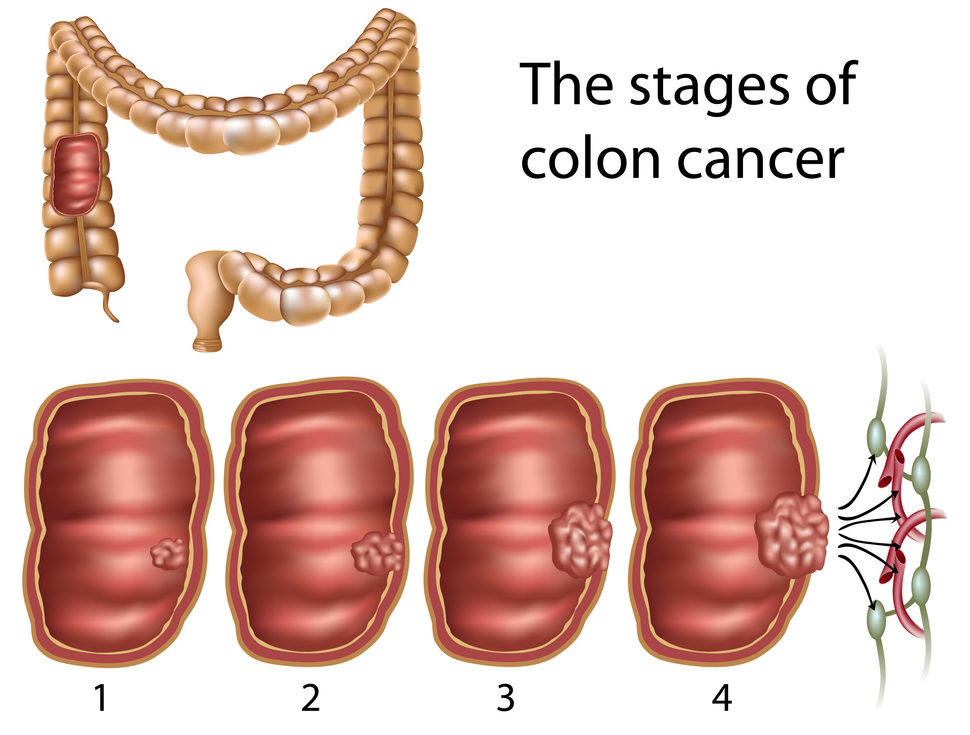
Colon cancer is a growth of cells that begins in a part of the large intestine called the colon. The colon is the first and longest part of the large intestine. The large intestine is the last part of the digestive system. The digestive system breaks down food for the body to use. Colon cancer typically affects older adults, though it can happen at any age. It usually begins as small clumps of cells called polyps that form inside the colon. Polyps generally aren’t cancerous, but some can turn into colon cancers over time.
Polyps often don’t cause symptoms. For this reason, doctors recommend regular screening tests to look for polyps in the colon. Finding and removing polyps helps prevent colon cancer. If colon cancer develops, many treatments can help control it. Treatments include surgery, radiation therapy and medicines, such as chemotherapy, targeted therapy and immunotherapy. Colon cancer is sometimes called colorectal cancer. This term combines colon cancer and rectal cancer, which begins in the rectum.
Symptoms
- A change in bowel habits
- Rectal bleeding or blood in the stool
- Ongoing discomfort in the belly area
- A feeling of not empty bowel
- Weakness or tiredness
- Losing weight without trying
- Bloated stomach
- Vomiting
- Fatigue and feeling short of breath
- Diarrhea or constipation
Cause
Doctors aren’t certain what causes most colon cancers. Colon cancer happens when cells in the colon develop changes in their DNA. A cells’ DNA holds the instructions that tell the cell what to do. The changes tell the cells to multiply quickly. The changes let the cells continue living when healthy cells die as part of their natural lifecycle. This causes too many cells. The cells might form a mass called a tumor. The cells can invade and destroy healthy body tissue. In time, the cells can break away and spread to other parts of the body. When cancer spreads, it’s called metastatic cancer.
Risk Factors
Factors that may increase the risk of colon cancer include Older age, Black race, A personal history of colorectal cancer or polyps, Inflammatory bowel diseases, Inherited syndromes that increase colon cancer risk, Family history of colon cancer, Low-fiber, high-fat diet, Not exercising regularly, Diabetes, Obesity, Smoking, Drinking alcohol, Radiation therapy for cancer
When to see a Doctor
If you notice lasting symptoms that worry you, make an appointment with a health care professional.